Accessibility in 2026: More Than Just Following Rules


Listen to the article
Prefer listening over reading? Press play to hear the full article.
Accessibility is often treated as something companies only add at the very end of a project. Teams are focused on launching features first, and accessibility often becomes a final checklist item. In many cases, it was seen primarily as a legal requirement rather than an important part of the product experience. That mindset is slowly starting to change.
Today, accessibility is becoming a much bigger part of how digital products are designed from the beginning. More companies are realizing that accessible products are not only better for people with disabilities but also usually easier to use for everyone. In 2026, accessibility is no longer only about following WCAG rules. It is becoming a core part of how modern products adapt to real human needs.
Real People, Not Checklists
One of the biggest problems with accessibility discussions is that they often become too technical. Teams focus heavily on compliance scores, audit tools and documentation while forgetting the actual people using the product. A confusing form can frustrate someone with cognitive disabilities, but it can also frustrate a tired employee trying to finish work quickly at the end of a long day.
Tiny click areas might create issues for users with motor impairments, but they are equally frustrating on a touchscreen or during stressful situations. Good accessibility improves usability across the board, making products easier to navigate and easier to understand. This is why accessibility should never be treated like a separate design layer. It should be part of the overall UX strategy.
The Rise of Adaptive Interfaces
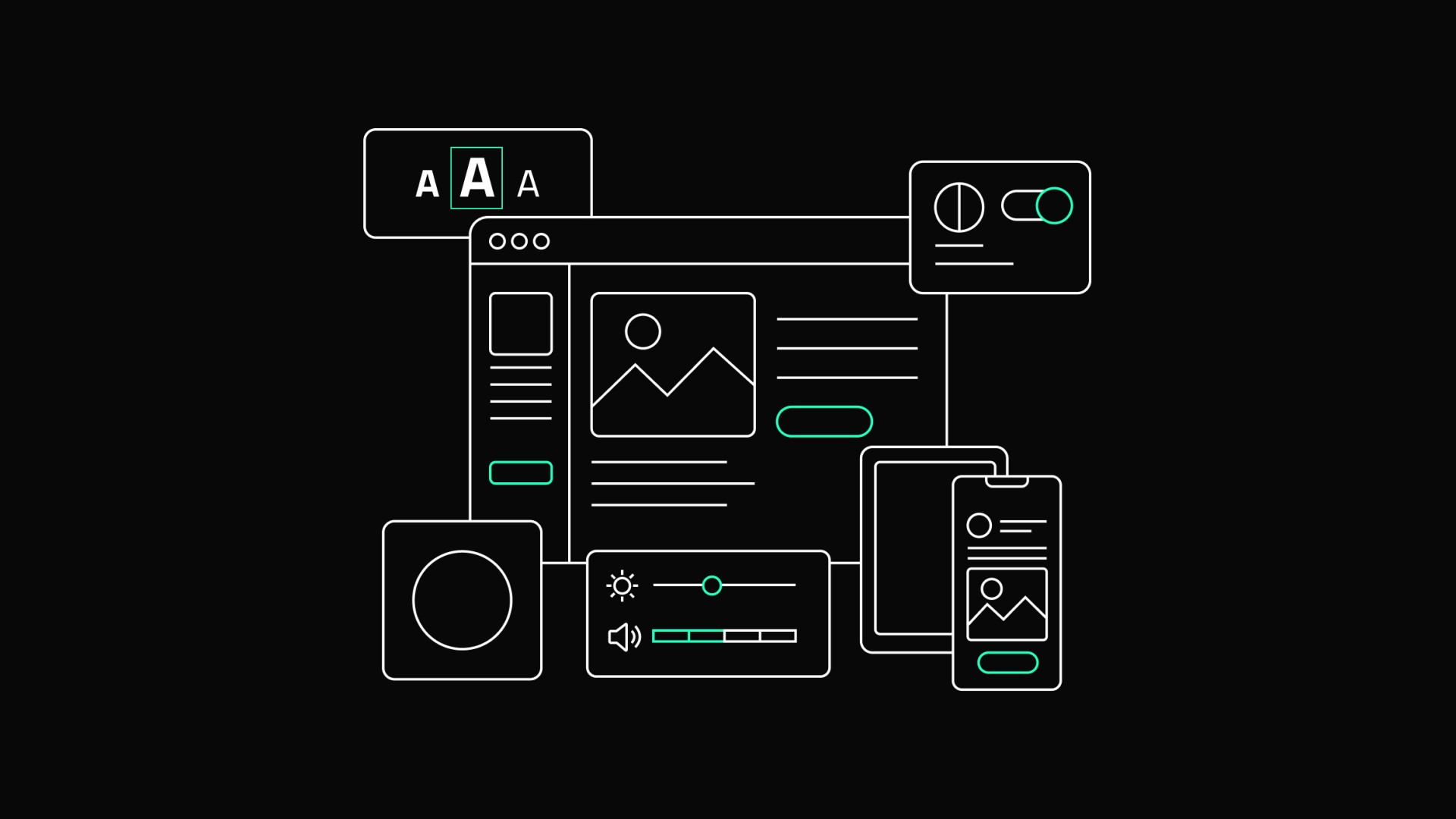
Not every user interacts with products in the exact same way. Some people prefer larger text, while others rely on screen readers, keyboard navigation, voice controls, or high-contrast interfaces. Modern digital products are slowly becoming better at automatically adapting to these different needs. Adaptive interfaces are becoming one of the biggest accessibility trends in modern UX. Instead of forcing every user into a rigid experience, products are starting to adapt to user preferences, device settings, and behavioral patterns.
In the future, these adjustments will become much more advanced and personalized. The goal is not to create a single perfect interface for everyone, but rather to create flexible experiences that work well for different types of users.
Expanding Beyond Visual Design
When people hear the word accessibility, they often think only about color contrast or screen readers. While those elements are extremely important, accessibility is becoming much broader in scope. Modern accessibility discussions now focus much more on cognitive load, content clarity, emotional stress, and interaction complexity.
Products filled with confusing navigation, overwhelming dashboards, or constant interruptions can create serious usability problems even if they technically pass automated accessibility audits. This is especially important in enterprise products where users spend hours inside complex systems every day. A cluttered workflow or unclear interface may not officially fail accessibility standards, but it can still create mental fatigue and make the product much harder to use. Ultimately, good accessibility is deeply connected to simplicity, clarity, and the reduction of unnecessary friction.
AI as a Support Tool, Not a Final Solution
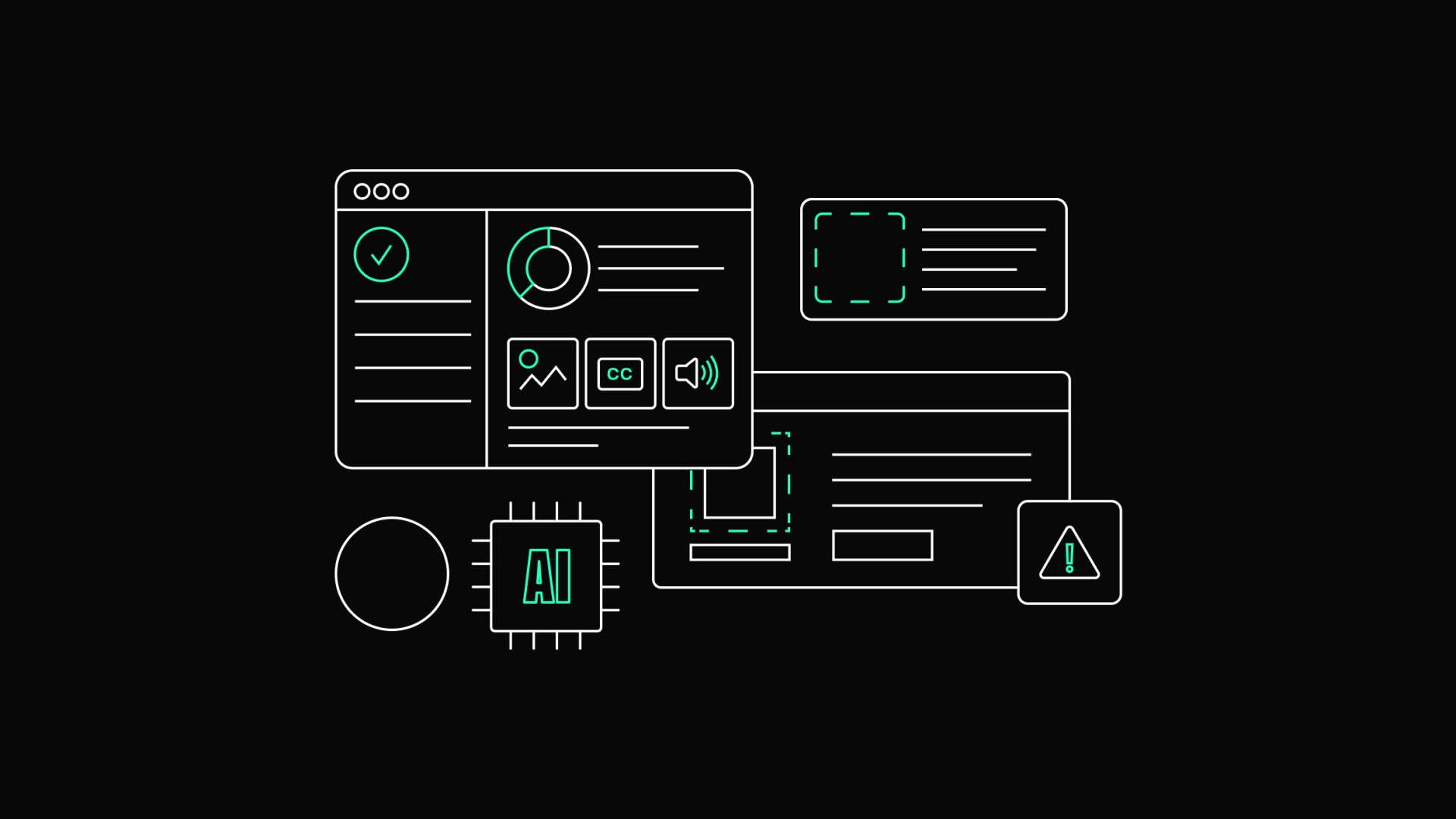
AI is also beginning to play a much bigger role in accessibility workflows. Design and development teams now use AI tools to detect contrast problems, generate image descriptions, review UI components and identify accessibility. This can save teams a huge amount of manual work, especially in large enterprise ecosystems with hundreds of screens and components.
Instead of checking every detail manually, AI can help identify potential problems early in the process. At the same time, AI should still be treated as a support tool rather than a complete solution. Accessibility is highly contextual, and automated tools still miss many real-world usability issues.
Why Testing Needs Real Users
While automated tools are incredibly useful for catching obvious mistakes, they cannot fully simulate real human experiences. The best accessibility insights usually come from observing how real people interact with the product. Watching someone navigate a workflow using keyboard controls or a screen reader often reveals critical issues that never appear in automated reports.
Real testing helps teams understand smaller frustrations that may not technically violate accessibility standards but still create poor user experiences.
Inclusive Design Benefits Everyone
One major reason accessibility is becoming more important is that the benefits extend far beyond a single user group. Features originally designed for accessibility often improve usability for all users. For example, captions help people watch videos in noisy environments, better contrast improves readability outdoors, and larger touch targets help users on mobile devices.
Clearer forms reduce mistakes for everyone, not only users with disabilities. This is why accessibility should not be treated as something extra. In many ways, designing for accessibility is simply good product design.
The Future of Accessible Product Design
Over the next few years, accessibility will likely become much more integrated into everyday product workflows. AI tools, adaptive interfaces, and smarter design systems will help teams identify and solve accessibility problems earlier than ever before. At the same time, user expectations will continue to grow. People increasingly expect digital products to work smoothly across different devices, environments, and personal needs without creating unnecessary barriers.
Conclusion
Accessibility in 2026 is about much more than simply following rules. It is about creating products that feel usable, understandable, and comfortable for as many people as possible. Modern accessibility is closely connected to good UX, where simpler workflows, clearer communication, adaptive interfaces and thoughtful interactions all contribute to experiences that work better for everyone. As digital products become more complex and more deeply integrated into everyday life, accessibility will only become more important.