From Idea to Prototype Faster with AI


Product teams are under constant pressure to move faster. New ideas need to be validated quickly, and stakeholders expect visible progress. At the same time, designers are expected to maintain quality, consider user needs, and avoid making poor decisions. This is one of the reasons AI tools are gaining so much attention across the design industry. They can help teams move from an initial idea to a testable prototype much faster than before.
Tasks that once required hours of manual work can now be completed in minutes, allowing teams to explore more ideas and start conversations earlier. But the real value comes from using AI to reduce repetitive work while giving designers more time to focus on product thinking and solving the right problems.
Starting With a Problem, not a Prompt
Many discussions about AI design tools begin with prompts. People frequently ask what to type, which tool to use, or how detailed the instructions should be. In reality, the process should start much earlier because every successful product begins with a problem worth solving. Before generating screens, teams need to understand the user, the business goal, and the context behind the challenge. AI can help organize information and explore possible directions, but it cannot replace problem definition. A poorly understood problem will usually produce a poorly designed solution.
Faster Exploration of Ideas
One area where AI already provides real value is ideation. Designers can use AI tools to generate alternative approaches or quickly challenge their own assumptions. Instead of spending hours brainstorming every possible direction, teams can use AI to create starting points for discussion. This often helps uncover layout variations that may not have appeared during traditional brainstorming sessions. The important thing to remember is that generated ideas are not finished solutions. They are inputs into the design process, and designers still need to evaluate them.
Wireframes in Minutes
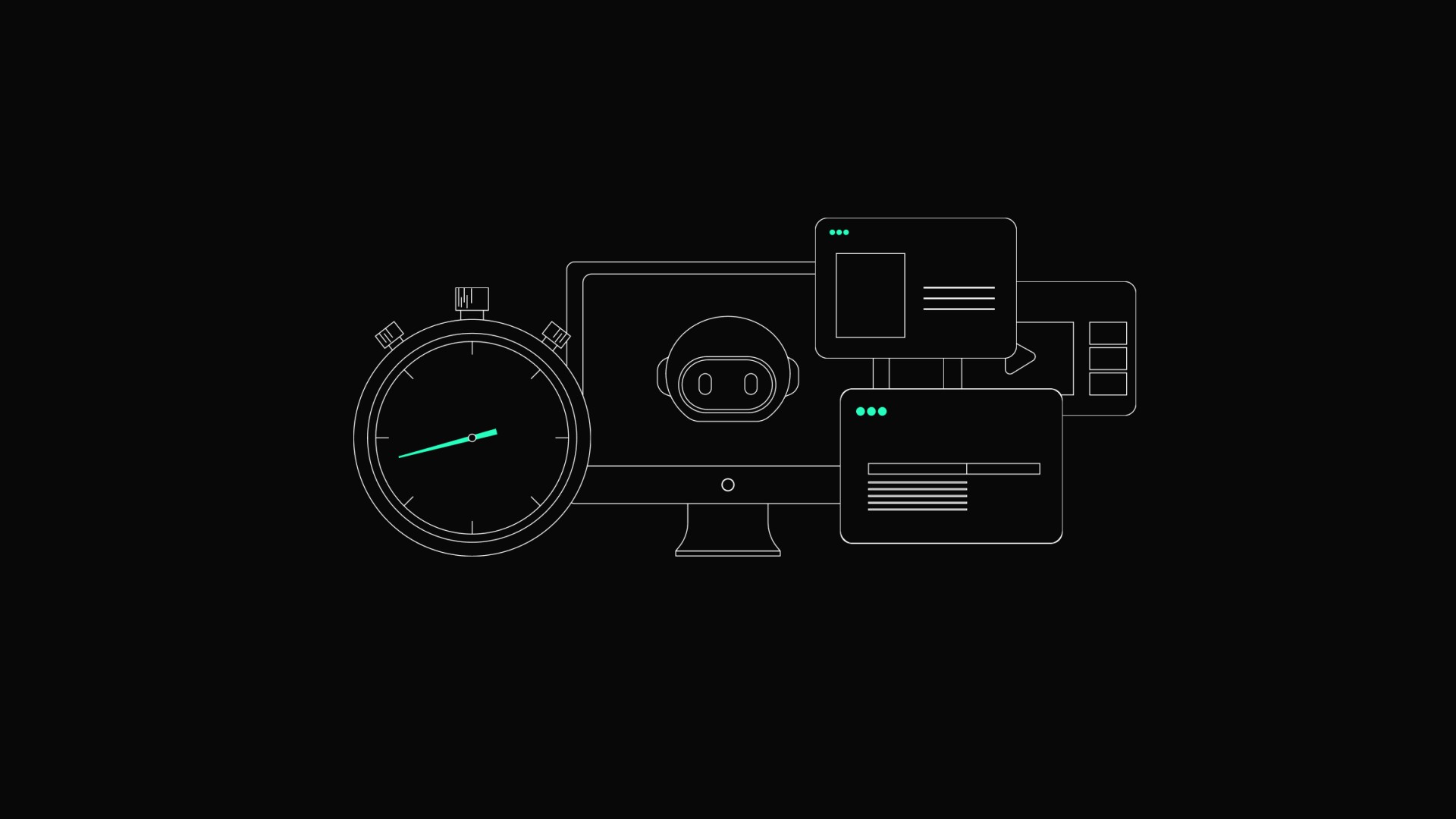
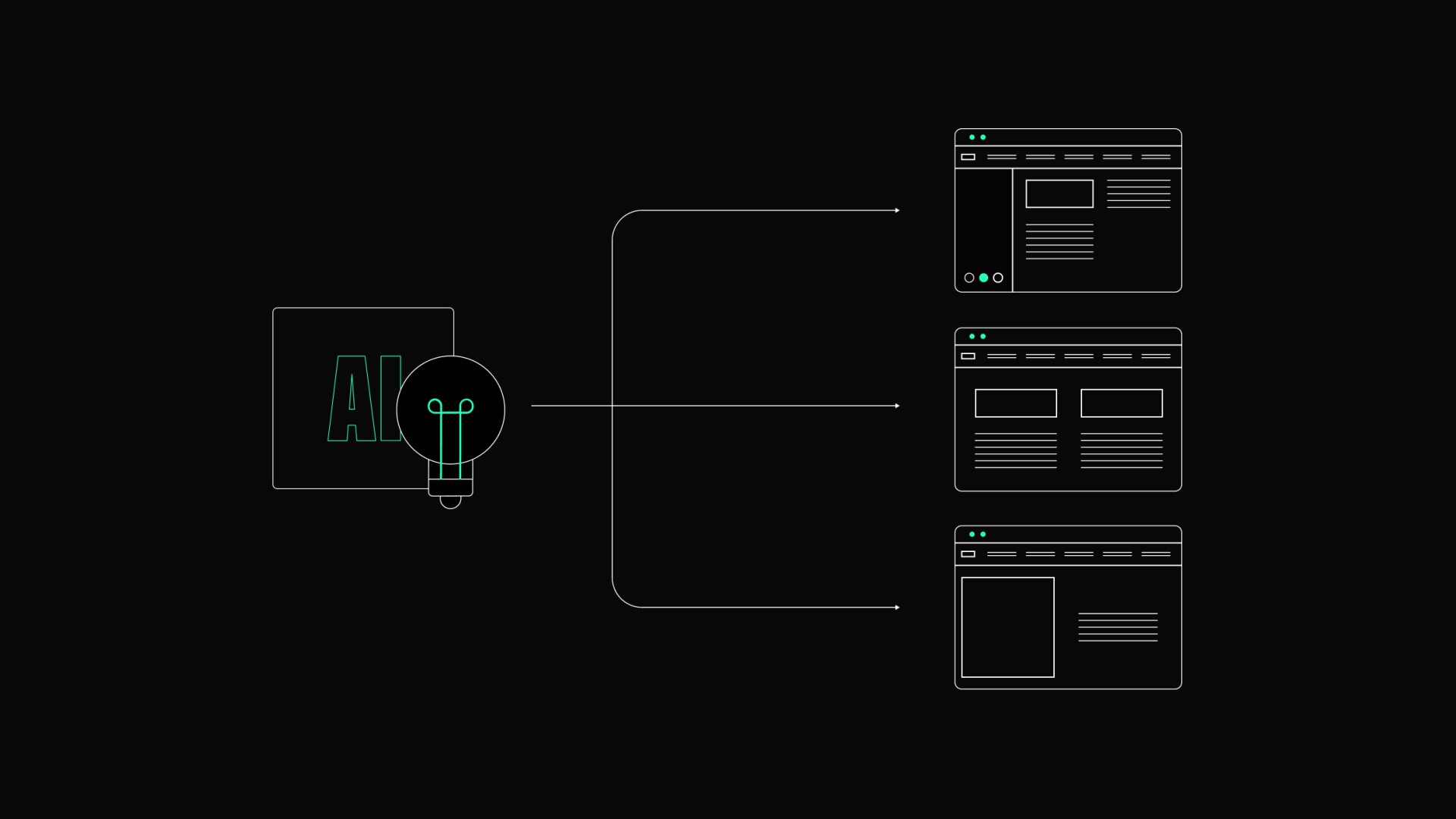
Creating initial wireframes has traditionally been one of the more time-consuming parts of early product design. Even low-fidelity concepts require structure, content, navigation, and workflow thinking before teams can begin discussing them. AI tools can now generate rough wireframes surprisingly quickly. A designer can describe a workflow, provide some basic user requirements, and receive several layout options within minutes. This allows teams to move into feedback and iteration much faster than before. The goal is to create something tangible that helps teams discuss ideas and identify potential issues earlier in the process.
Making Prototypes More Accessible
Prototyping has also become much faster. Some AI-powered tools can generate interactive flows, automatically connect screens automatically, or transform written descriptions into clickable experiences. This lowers the barrier for testing ideas across the entire team. Instead of waiting until the user interface is highly polished, teams can create functional prototypes much earlier and start validating assumptions with users. Earlier testing often leads to better decisions because major experience problems are discovered before significant development effort is invested. AI does not eliminate the need for validation, but it helps teams reach that stage more quickly.
AI Can Help with UX Copy
Writing interface content is another area where AI can save teams a lot of time. Button labels, onboarding messages, form instructions, error states, and empty states all require careful attention, yet they are often left until the very end of the design process. AI can generate multiple content variations and help designers explore different tones of voice. This is particularly useful when teams want to test several copy approaches before settling on a final version. Generated copy still needs human review. Good UX writing depends heavily on context, product knowledge, and understanding the audience.
Speed Creates New Risks
While AI makes many design activities faster, it also introduces new challenges. One of the biggest risks is creating the illusion of progress. Teams can generate dozens of screens and prototypes in a very short time, making it appear as though significant progress has been made. The underlying problem is that speed does not automatically equal quality. A polished prototype can still be based on incorrect assumptions or misunderstood user needs. This is why product thinking becomes even more important in AI-assisted workflows. Designers must continue to ask critical questions rather than assuming that faster output leads to a better product.
Validation Still Matters
Some people assume AI will eventually replace much of the product discovery and validation process. In reality, user feedback remains just as important as it has always been. AI can help generate initial concepts, organize research findings, and prepare functional prototypes. What it cannot do is fully predict how real people will behave when using a product in real-world situations. Users will always surprise us because they misunderstand flows, discover unexpected edge cases, and interact with products in ways teams never planned for. No amount of AI-generated output removes the need to observe, test, and learn from real human behavior.
The Future of Design Workflows
Over the next few years, AI will likely become a normal part of product design workflows. Designers will use it to generate ideas, speed up documentation, create wireframes, build prototypes, and automate repetitive tasks across various projects. At the same time, the core role of designers will continue evolving into something more strategic. As AI handles more execution work, human skills such as problem-solving, communication, and product judgment become even more valuable.
Conclusion
AI is making it easier than ever to move from an initial idea to a testable prototype. Teams can explore concepts faster, generate wireframes more quickly, and begin validation earlier in the product development process. But successful products are never created by speed alone. They are created by truly understanding users, making thoughtful decisions, and continuously learning from feedback. AI can accelerate the journey from idea to prototype, but designers still determine whether that journey is heading in the right direction.