How AI Is Changing the Work of Product Designers


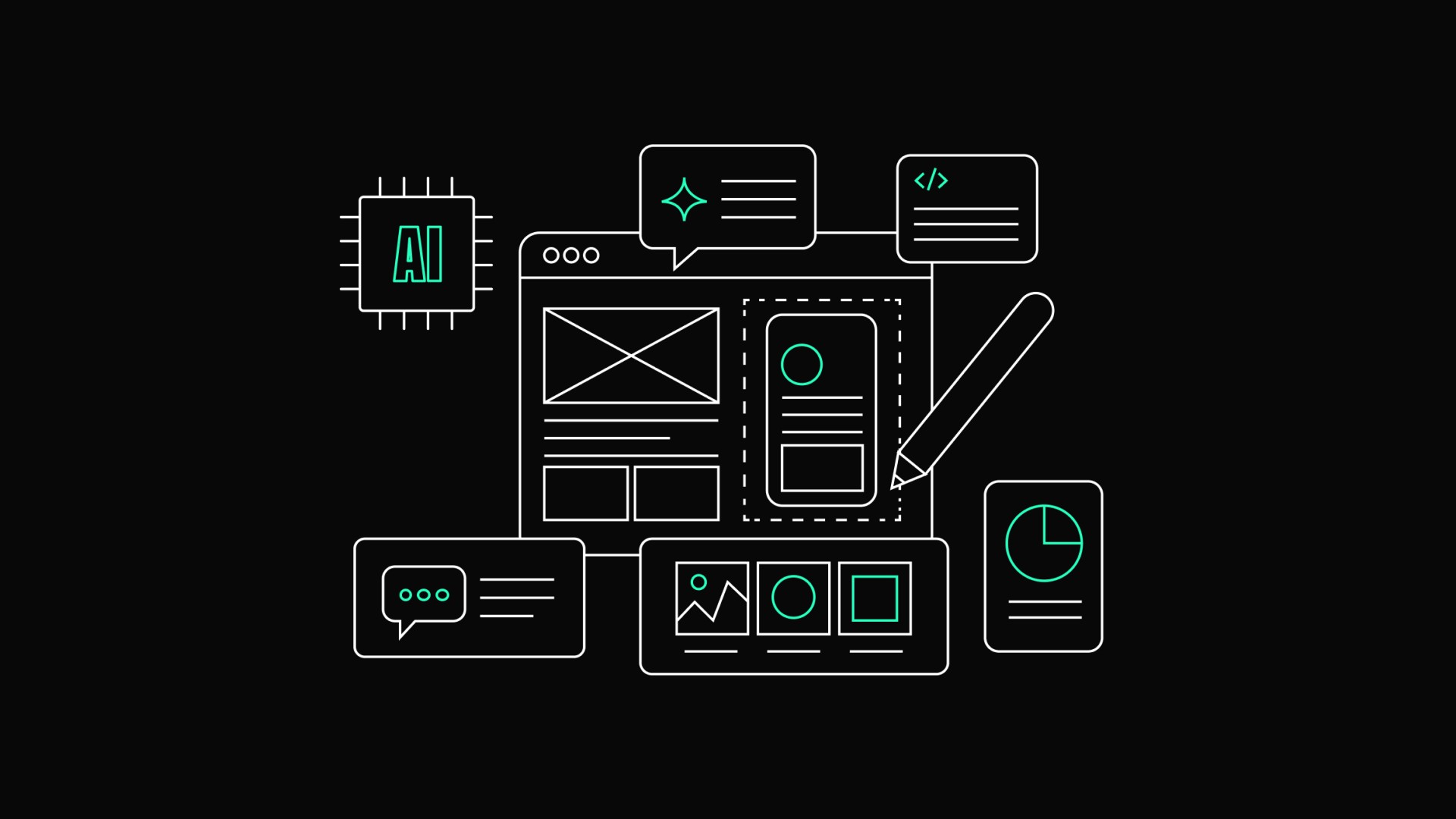
What started as simple text generators or experimental image tools is slowly becoming how digital products are researched, designed, tested, and documented. In many product teams, AI is no longer treated as a futuristic experiment, but rather as another standard tool inside the daily workflow. This shift is happening surprisingly fast. A few years ago, designers mostly used AI for quick inspiration or rough concepts. Today, AI tools can generate wireframes, rewrite UI copy, summarize research interviews, create icons, suggest layouts, and even build clickable prototypes. Naturally, this has started a bigger discussion across the design industry about what happens to the role of product designers if AI can already handle so many tasks. The answer is not as dramatic as many people expected. AI is clearly changing how designers work, but it is not replacing product thinking, UX decisions, or human understanding.
From Blank Canvas to Faster Iteration
One of the biggest AI work changes is speed. Starting from a completely empty screen has always been one of the slowest parts of the creative process. Designers spend hours exploring layouts, testing structures, writing placeholder copy, or creating rough concepts before the real iteration even begins.
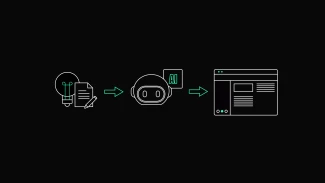
AI tools are making this early phase much faster. Designers can now generate rough wireframes, dashboard ideas, or mobile layouts within minutes. This does not mean the first output is production-ready, but it helps teams move from idea to discussion much more quickly. Instead of spending hours creating the first draft manually, designers can focus earlier on improving workflows, refining interactions, and validating ideas with stakeholders or real users.
AI in Daily Design Tasks
Many designers already use AI during small everyday tasks without even thinking about it. AI can help rewrite button labels, generate placeholder text, summarize meeting notes, organize feedback, or create variations. These tasks may sound small individually, but together they can take up a surprising amount of time. Automating part of this repetitive work gives designers more space to focus on higher-level UX problems instead of repetitive production tasks. This is especially valuable in enterprise environments where designers often work across large systems with hundreds of screens, flows, and edge cases, meaning small productivity improvements become very noticeable at scale.
Speeding Up Research and Prototyping
Research workflows are also changing quickly. AI tools can summarize interviews, sort feedback into topics, detect repeated patterns, and help researchers process large amounts of data. Instead of manually organizing notes for hours, teams can focus more energy on interpreting insights and improving products.
Prototyping is evolving similarly, as some tools can already generate interactive flows or turn text prompts into rough concepts automatically. This allows teams to test ideas earlier and explore more variations during the design phase.
The Value of Product Thinking
Human decision-making is becoming even more valuable. AI can generate layouts or suggest interface patterns, but it still struggles with understanding business goals, user emotions, team priorities, or complex product context.
This is where product designers continue to play a critical role. Good design isn't just about arranging UI elements on a screen. It is about understanding workflows, reducing friction, balancing user needs with business goals, and making decisions that improve the overall experience. AI can support this process, but it still cannot replace deep product understanding or real UX judgment.
Designers as Editors
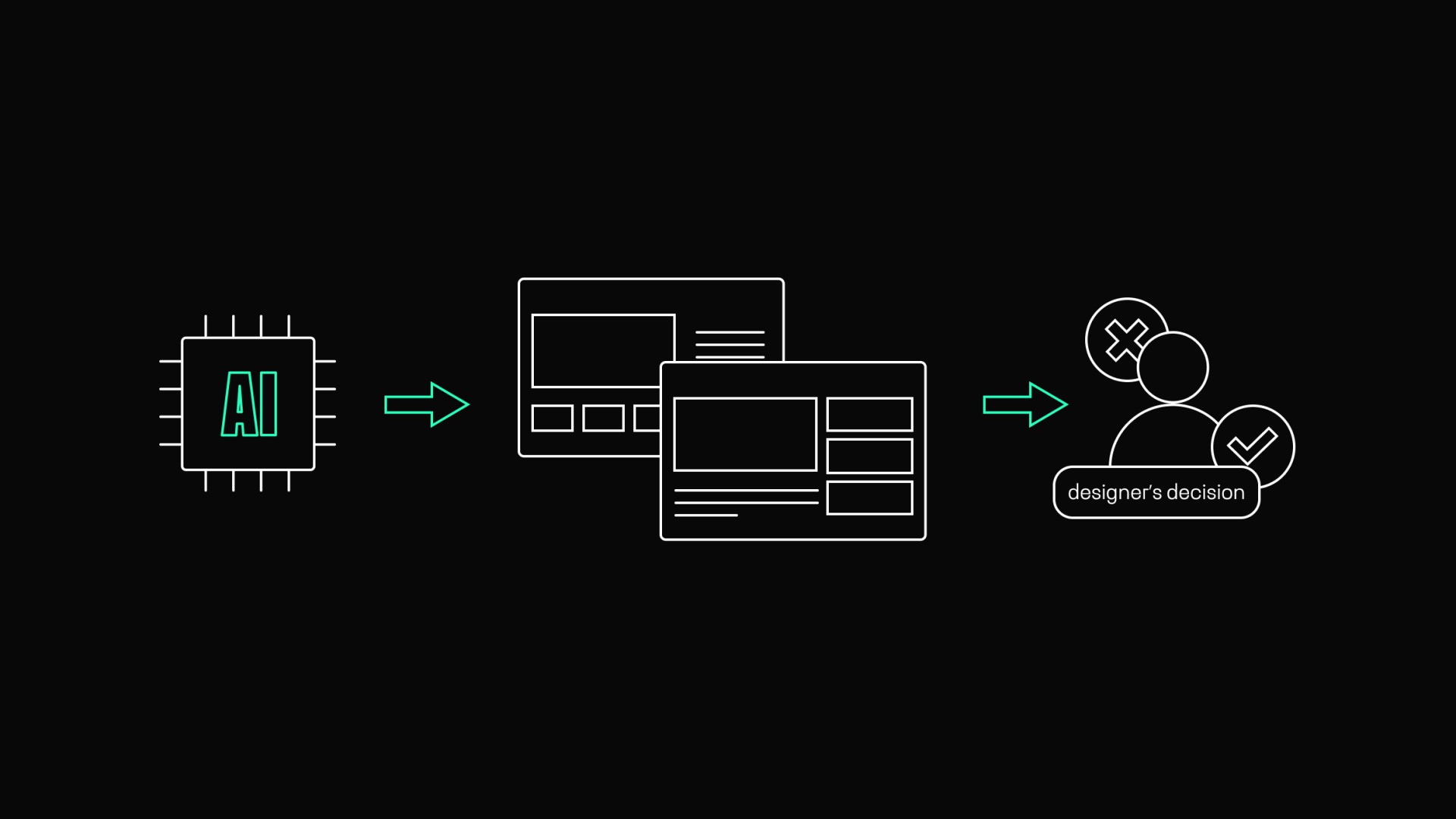
One interesting shift happening across the industry is that designers are slowly moving from pure creators into more editorial roles. Instead of designing every single element manually, designers increasingly review, improve, and guide AI-generated outputs.
This changes the nature of design work itself. Strong designers are becoming more valuable because they know what should and shouldn't be built in the first place, not just because they can create pixels quickly. The ability to recognize good UX decisions, identify weak flows, and improve product logic is becoming far more important than pure production speed.
The Missing Context
Despite all the progress, AI tools still have major limitations. They can generate visually polished screens very quickly, but they often miss the deeper context behind the product. A generated interface may look modern while completely misunderstanding the actual workflow or user problem.
This becomes especially visible in enterprise software where systems contain edge cases, permissions, complex business logic, technical limitations, and highly specific user behaviors. This is why human validation remains extremely important, as product design is still deeply connected to observation and understanding messy real-world situations.
A New Dynamic in Collaboration
AI is also influencing collaboration inside product teams. Designers can now prepare concepts faster and communicate ideas earlier in the process, which speeds up discussions with developers, stakeholders, and product managers.
At the same time, expectations for speed are increasing. Because AI accelerates execution, teams often expect faster iteration cycles and quicker outputs from designers, creating both opportunities and pressure. The challenge for designers is ensuring faster workflows don't reduce the quality of product thinking.
The Future of Product Design Work
Designers use AI to generate ideas, speed up documentation, improve research workflows, create prototypes, and reduce repetitive work across projects.
But the role of product designers is not disappearing. Actually, in many ways, the opposite is happening. As AI handles more execution work, human skills like communication, critical thinking, UX judgment, and product strategy become even more important.
Conclusion
Good product design still depends heavily on human understanding. AI can generate interfaces, summarize information, and automate workflows, but it still struggles with context, strategy, and real human behavior. AI may speed up design work, but good product decisions still depend on people.